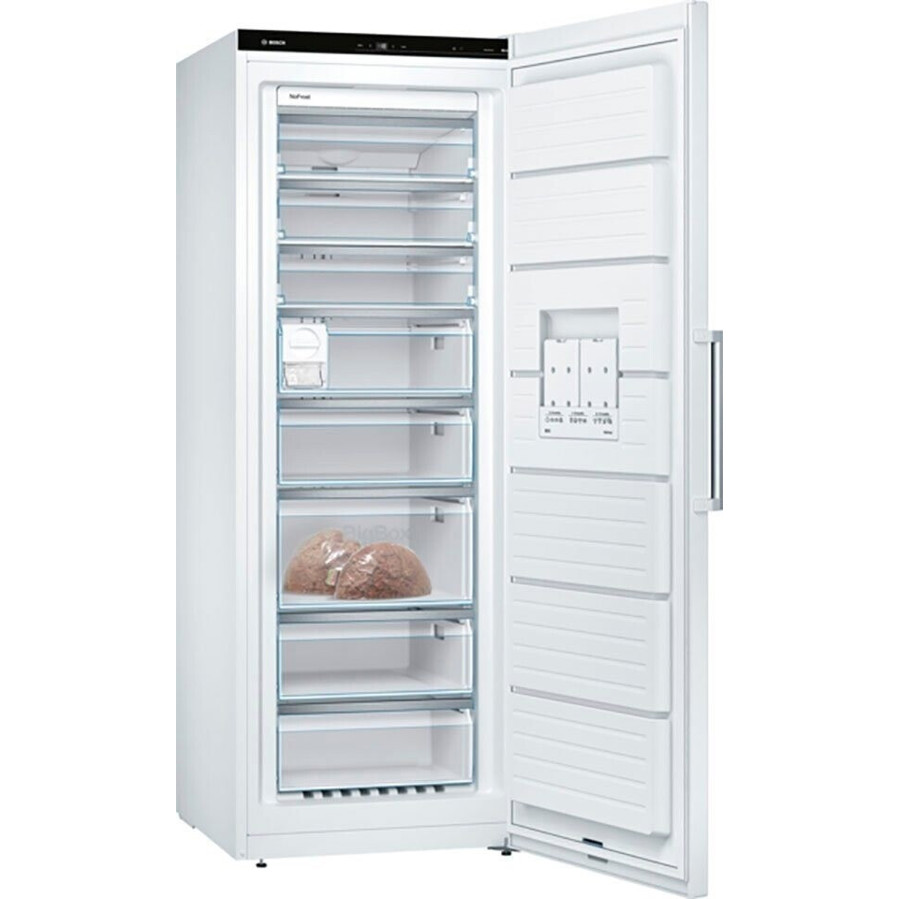
Seven Explanations On Why Built-In No-Frost Refrigerator Is Important
The Ultimate Guide to Built-In No-Frost Refrigerators
In the modern-day cooking area, efficiency and performance are critical. One of the developments that have actually changed food storage is the built-in no-frost refrigerator. Integrating smooth integration with innovative cooling technology, these appliances offer various benefits. In this post, we will explore the functions, advantages, and factors to consider surrounding built-in no-frost refrigerators while resolving common concerns and issues.
What is a Built-In No-Frost Refrigerator?
A built-in no-frost refrigerator is an appliance developed to fit snugly in between kitchen area cabinets, providing a structured and expert appearance. Unlike traditional refrigerators, no-frost designs eliminate the requirement for manual defrosting by circulating air equally within the compartments, avoiding frost accumulation. This not just saves time but also optimizes storage area and preserves effective cooling.
Key Features
Feature
Description
Style
Seamless integration into cabinets for an aesthetic appeal
No-Frost Technology
Prevents ice development, removing the requirement for manual defrosting
Temperature Control
Adjustable temperature settings for various compartments to enhance food conservation
Energy Efficiency
Energy Star-rated designs reduce electrical power usage without sacrificing performance
Smart Features
Some designs offer Wi-Fi connectivity and clever technology for remote monitoring
Storage Solutions
Flexible shelving, drawers for vegetables and fruits, and compartments for specific food products
Advantages of Built-In No-Frost Refrigerators
1. Convenience
Built-in no-frost fridges eliminate the inconvenience of routine defrosting. This benefit allows users to focus on pleasure instead of maintenance.
2. Space Efficiency
As these designs are designed to fit perfectly into cabinetry, they optimize kitchen space. House owners can accomplish a cohesive and streamlined kitchen area style with appliances that practically vanish into the environment.
3. Boosted Preservation
No-frost technology guarantees that food is kept at the perfect temperature without variations. This assists preserve freshness and lengthens the life span of groceries.
4. Energy Efficiency
Modern no-frost refrigerators frequently include energy-efficient designs and are compliant with Energy Star standards. This leads to lowered energy costs and a lower environmental footprint.
5. Customization
Built-in systems often offer customization choices, enabling customers to select functions that best suit their way of life— whether it be different cooling zones, door configurations, or shelving arrangements.
Downsides of Built-In No-Frost Refrigerators
While there are many advantages, it's likewise essential to think about some drawbacks:
1. Expense
Built-in no-frost fridges typically have a higher upfront expense compared to freestanding models due to their design and functions.
2. Installation Complexity
Installation may require expert help, specifically to guarantee correct combination with cabinets and appliances.
3. Size Limitations
Depending on cooking area measurements, house owners may face limitations when selecting a built-in design. It's important to measure offered space precisely.
Aspects to Consider When Choosing a Built-In No-Frost Refrigerator
|Element|Description|
|————|——————– || Size|Ensure the refrigerator dimensions fit the designated space in your kitchen area. || Capacity|Choose a size that fits your family's requirements, considering both food storage and meal preparation. || Energy Efficiency Rating|Look for models with greater energy scores to save cash over time. || Sound Level|Consider the sound produced by the device; quieter designs may be more suitable for open-concept areas. || Service warranty and Support|Check the manufacturer's warranty and consumer support services to safeguard your purchase.|
How to Properly Maintain a Built-In No-Frost Refrigerator
Maintenance is crucial for ensuring optimum performance and longevity. Below are simple maintenance suggestions:
Regular Cleaning
- Dust the condenser coils and tidy interior surfaces monthly.
Inspect Door Seals
- Make certain door seals are tight to preserve interior temperature and efficiency.
Temperature Consistency
- Screen and adjust the temperature settings as needed; the ideal range is normally between 37 ° F and 40 ° F for the refrigerator and 0 ° F for the freezer.
Arrange Food
- Keep food organized to promote air flow. Avoid Kühlschrank Mit 0 Grad Zone Test .
Examine Drainage System
- Make sure that the drainage system is clear to prevent water build-up.
FAQ Section
Q1: Do built-in no-frost fridges require unique installation?
A1: Yes, they usually require more complex installation compared to stand-alone designs. Professional installation is frequently recommended for a seamless appearance and optimum functioning.
Q2: What is the lifespan of a built-in no-frost refrigerator?
A2: The average life expectancy is generally 10-15 years, though this may vary depending on usage and maintenance.
Q3: Can I convert my existing refrigerator to a no-frost model?
A3: It's not practical to transform a standard refrigerator into a no-frost design. Buying a new no-frost refrigerator is advised for efficiency and performance.
Q4: Are built-in no-frost refrigerators noisier than standard ones?
A4: Not necessarily; sound levels depend on the specific design and its design. Try to find designs rated for lower noise output if this is an issue.
Q5: How energy-efficient are no-frost fridges?
A5: Many modern no-frost refrigerators are rather energy-efficient, with Energy Star-rated designs providing considerable savings compared to older or non-rated models.
Built-in no-frost refrigerators offer an elegant and effective option for modern kitchens. With their space-saving style, outstanding temperature control, and various features, they are an outstanding investment for those looking for long-lasting efficiency and convenience. Just like any device, it's necessary to think about individual requirements, preferences, and budget when choosing a model. By keeping notified and understanding how to make the most of the advantages of these fridges, house owners can ensure their food is kept at optimum conditions for freshness and longevity.